Commercial Strategy · Channel Playbook
Your distributor likes your product. So why aren't they selling it?
A channel playbook for ag-tech, and a scorecard to grade your own.

There is a particular kind of stuck that catches good ag-tech companies off guard. You are convinced the product works. The distributor is signed, and they told you they like your technology. And still, almost nothing sells.
It is not a technology problem, and usually not even a relationship problem. The distributor understands the product fine. They may be genuinely enthusiastic about it. But enthusiasm is not commitment, and a distributor who likes your product can still spend every selling hour on something else.
That gap, between a distributor who likes your product and one who actually sells it, is where you find a major failure risk for many ag-tech commercial plans. It is rarely one big reason. It is usually a handful of practical ones, each of which gives the distributor a quiet excuse to do nothing. This is a playbook for closing that gap, and a scorecard to see how close you are.
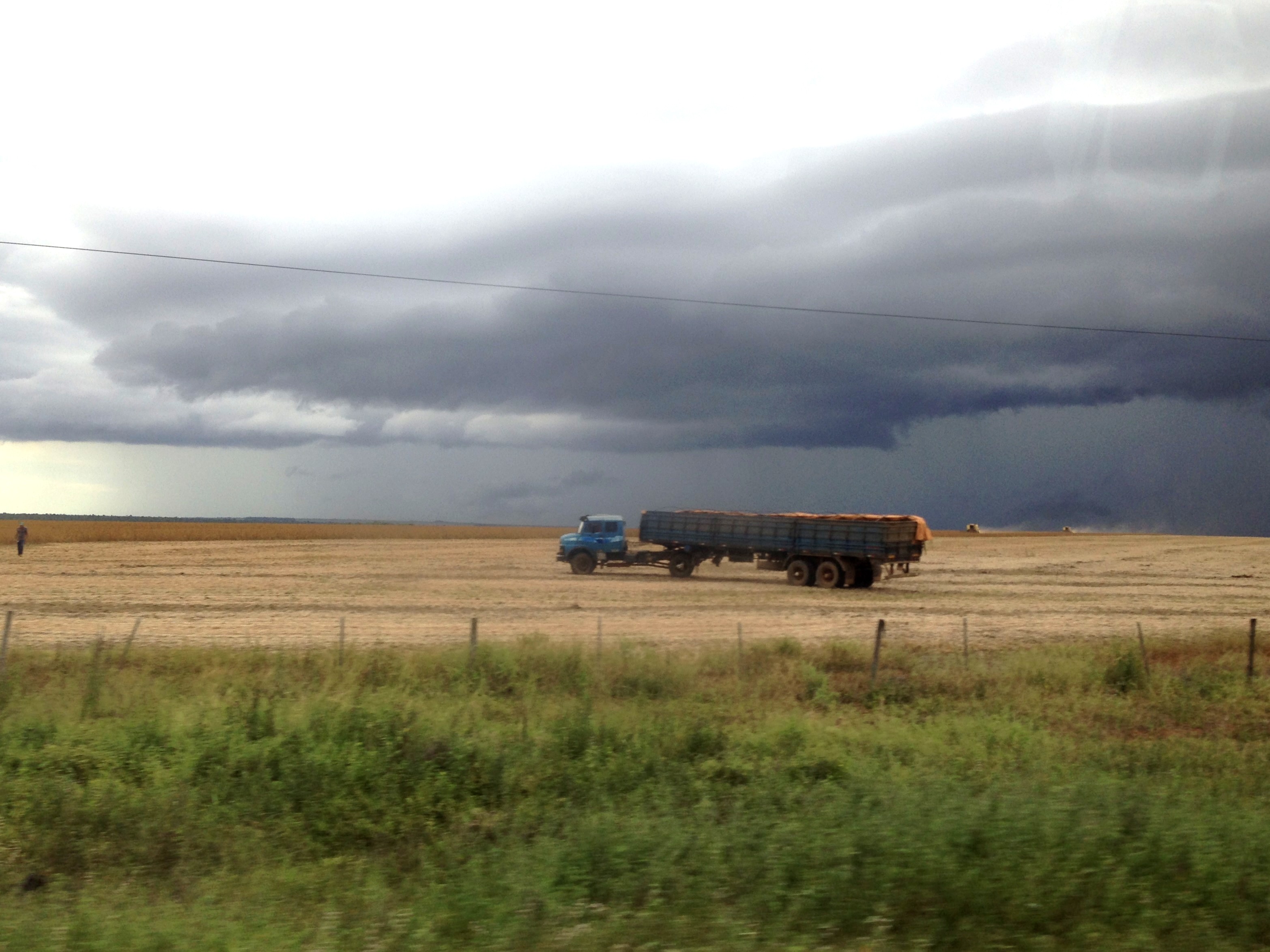
I have seen this from the inside, on a channel that on paper looked unbeatable. Exclusivity, a dedicated network, real visibility, a big share of the distributor's attention. And it still was not enough. We had to create the pull-through ourselves, because shelf space does not sell by itself.
A distributor can carry your product, like your brand, give you space and people, even be exclusive. None of that moves product at the speed you expect. The market still has to be activated, field by field, grower by grower, season by season. A channel is not a pipe you pour product into. It is a living commercial system, and even a strong one does not replace product pull. It just gives you a better platform to create it.
A distributor is not only a route to market. It is a business with its own margins, priorities and constraints. Your product has to compete for attention inside it: against established products, against things that are easier to explain, against suppliers who already pay rebates, against a rep with limited hours who spends them on what he knows he can close.
So when a distributor says "we like it," the real question is not whether they like it. It is whether they put you on top of their list. That is a much higher bar. Here is what decides it.
A new product needs more explanation, more visits, more support than an established one. That is a cost. If the distributor earns the same margin, or less, than on something easier, the choice makes itself. They go where the return on their time is best.
The question is not "can we make money on this." It is "can we make enough to justify the extra effort and risk." If that is unclear, your product stays a nice idea in the portfolio instead of a priority. All this includes incentive and commission structures of the frontline sales team.
Fix. Build a margin and incentive structure that visibly rewards the harder sale.
A rep does not want to stand in front of a farmer and look unsure. Farmers ask direct questions. Does it work. Under what conditions. What happens if the application fails. Or the machine you sold me stops working. Who pays for failures and downtime. If the rep cannot answer cleanly, he avoids the conversation. That is not laziness, it is self-protection. In agriculture, credibility is everything.
All distributors have seen technologies come and go. Promising trials that failed in the field. Start-ups that ran out of money. So caution is often just experience: let's see if it works across conditions, let's see if farmers will pay, let's see if someone else takes the first risk. What turns that caution into confidence is proof. Not broad claims or trial data, but local, practical, commercial proof: that farmers get the value, that it can be sold again and again, that support stays manageable. Give yourself an honest answer to the question if your solution transforms farmer's reality on the field.
That proof is exactly what lets a rep keep selling without gambling his credibility.
Make sure the rep can keep going back to that farm. Again and again. All their career.
Fix. Invest early in local commercial proof, and train beyond the one-hour pitch: simple language, field examples, objection handling, and a clear sense of when not to sell it.
Companies focus on the sale. Distributors think about what comes after it. Who installs it. Who answers the phone when it fails mid-season. Who carries spare parts. Who takes the blame.
For a new technology, service risk can outweigh sales potential. Back the sale up with the value-added components that fit the category: spare parts and a service network for machinery, a replant guarantee for seed, weather insurance for a herbicide, complaint management that actually resolves things. Unknowns are expensive, and a distributor will quietly avoid a product that smells like support calls and angry customers.
Fix. Make the after-sales model explicit before launch, not after the first complaint.
Distributors like products farmers ask for. Pull gives them a reason to act. No pull means building the market from scratch.
Here is where expectations break. The company thinks: we have a distributor now, they will sell. The distributor thinks: we have the product now, let's see if farmers ask for it. Two very different assumptions in the same handshake.
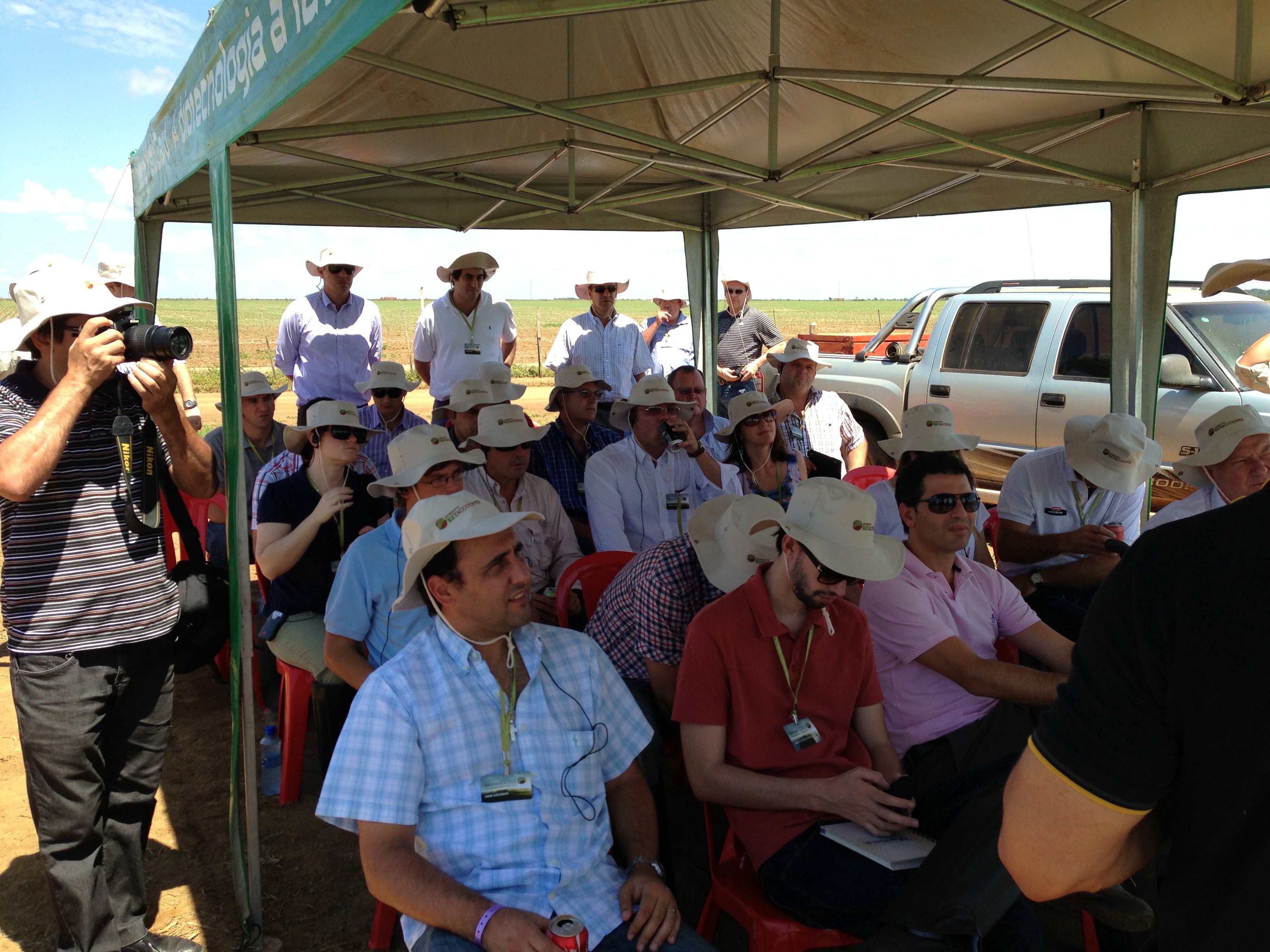
Fix. The manufacturer feeds the channel. Field days, reference growers, local proof, agronomic validation, clear ROI material. The channel amplifies demand. It rarely creates it on its own.
Agriculture runs on crop cycles, input planning, application windows and annual targets. A product can be valuable and still not fit. If the right selling moment is three months before the distributor normally raises the topic, it gets missed. If it needs a different buyer than the usual contact, the team may not know how to reach that person.
This is a hidden reason good products fail. They are technically ready but not commercially integrated.
Fix. Map exactly where the product lands in the distributor's calendar and account plans. Align incentives and rebates accordingly.
Distributors do not operate in a vacuum. They already have supplier relationships, rebate structures, exclusivity deals and inventory commitments. Your product may cut across all of it. It may reduce sales of something they already carry, or sit in a category where another supplier has more influence.
Channels are not neutral. They have history, economics and politics. If your product threatens an existing profit pool, it can meet quiet resistance, not because people dislike it, but because it disturbs a system that works for them.
Fix. Design the channel strategy with these realities in view, not against them.
When the channel goes quiet, the easiest thing in the world is to decide the distributor is the problem and change them. Sometimes that is the right call. Far more often it is a way to avoid a harder question.
Be honest with yourself first. Did you give them a margin worth the effort? Did you give the rep the proof and the training to sell it? Did you generate the farmer pull, or did you expect them to? Changing the dealer does not reset any of those. It just carries the same gaps to the next one, and costs you a season finding out.
It is easy to change the dealer. It is harder, and more useful, to be honest about why the last one did not sell.
That honesty is what the scorecard is for.
Score your channel from 1 to 5 on each dimension. 1 means you have not addressed it. 5 means it is genuinely handled and a distributor would agree. Be honest, the number is for you.
| # | Dimension | What a 5 looks like | Score |
|---|---|---|---|
| 1 | Margin | The reward clearly justifies the extra effort for the distributor and the rep | |
| 2 | Confidence & proof | The rep can answer any farmer question and has local, repeatable proof to stand on | |
| 3 | Service | The after-sales and complaint model is explicit and covers the risk | |
| 4 | Farmer pull | Growers are actively asking for the product | |
| 5 | Seasonal fit | The product slots cleanly into the selling calendar and account plans | |
| 6 | Competing priorities | The product holds its own against what the distributor already sells | |
| Total | / 30 |
A signed agreement gives you permission to sell. It does not give you sales. The real work starts after the signature, and it is to turn a passive outlet into an active commercial partner.
Experience taught me that strong shelf space and a committed channel are still not enough. You need product pull-through. You need to create demand. You need to activate the channel every season.
In ag-tech the channel is not just a route to market. It is part of product-market fit. A technology is not truly farm-ready until it is also channel-ready. Because in the end, distributors do not sell products because they are interesting. They sell products they trust, can support, and can make money with.
We support companies in their scoring process and bridging the gaps identified. Get in touch to know more.
Former Country President at Monsanto and Global Head SeedCare at Syngenta. Valorem works with growth-stage agricultural innovation companies on commercial strategy, market entry, and go-to-market execution.
Get in touch →